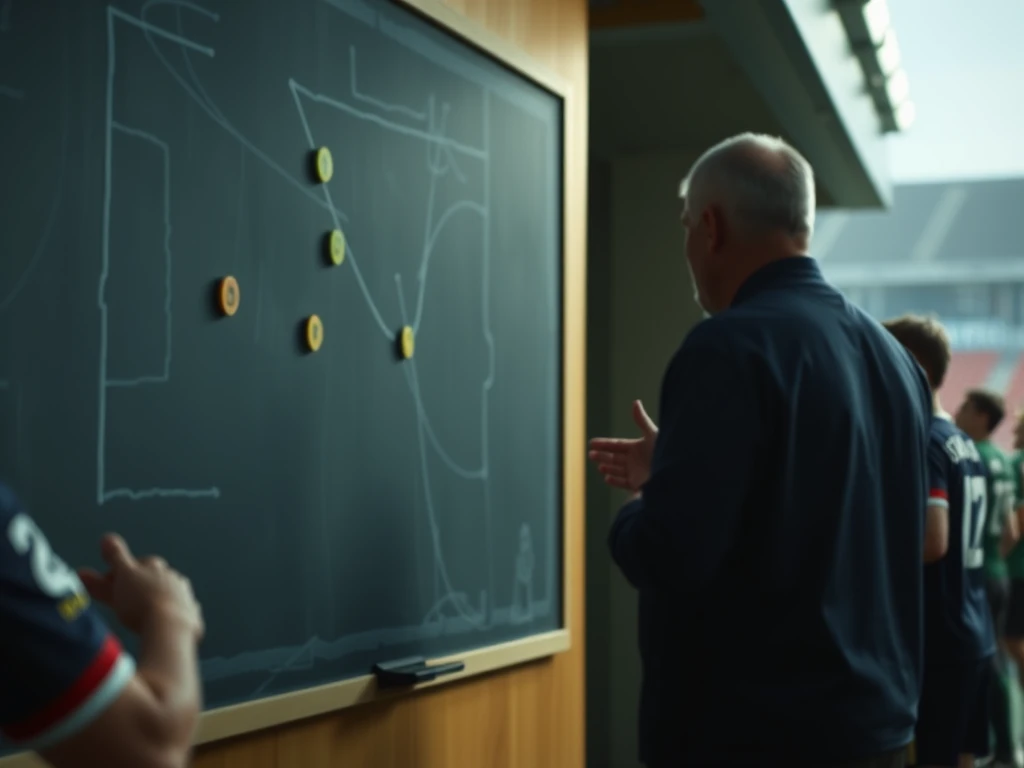

Fine-Tuning Sligo Rovers' Tactics for Continued Success
As the season unfolds, Sligo Rovers, affectionately known as The Bit O'Red, have shown glimpses of their potential, but inconsistency has hindered their quest for league glory. In this tactical analysis, we look at their recent performances and propose some strategic tweaks that could help stays in the League of Ireland Premier.
Current Tactical Framework
Sligo Rovers have predominantly operated in a 4-2-3-1 formation, a setup that allows them to maintain defensive solidity while providing the flexibility to transition into attack. The double pivot in midfield has served as a shield for the back four, with players like D. Patton contributing not only defensively but also in linking play. However, the reliance on this structure has exposed vulnerabilities, particularly against teams that press high and disrupt the build-up.
Recent Form: Strengths and Weaknesses
In recent matches, Rovers have exhibited resilience, especially in their defensive organization. The backline, marshaled by R. Brush, has been effective at nullifying aerial threats, but the team has struggled with quick transitions in the midfield. The attacking trident-comprising wingers and a central playmaker-has shown flashes of brilliance, but the lack of consistent goal-scoring opportunities has been a cause for concern. Also, the midfield trio often appears disconnected, leading to a lack of fluidity in attacks.
Suggested Tactical Tweaks
1. Adjust the Midfield Structure: Transitioning to a 4-3-3 formation could provide greater dynamism in midfield. By introducing an additional midfielder, Rovers can enhance ball retention and create more passing triangles, facilitating smoother transitions from defense to attack. This tweak allows for greater involvement from the central midfielders, increasing their impact in offensive phases.
2. Utilize Width Effectively: Encouraging full-backs to overlap more often can stretch the opposition’s defense. By using the flanks, Rovers can create space for the wingers and central forwards, increasing their opportunities to exploit gaps. This strategy would also help in countering teams that compact the central areas, as wide play can draw defenders out of position.
3. Pressing Strategy: Implementing a more aggressive pressing strategy could unsettle the opposition’s build-up play. By instructing the forwards to initiate pressure higher up the pitch, Rovers can force turnovers in dangerous areas, which could lead to quick scoring opportunities. This requires a collective effort from the team to ensure that pressing triggers are well understood and executed.
4. Incorporate Set-Piece Variations: While Sligo Rovers have been solid defensively during set-pieces, their attacking set-piece play has lacked creativity. Introducing varied routines, such as short corners or decoy runs, can increase the unpredictability of their set-piece strategy, making them more threatening in these situations.
Conclusion
As Sligo Rovers strive for consistency in their performances, fine-tuning their tactical approach could prove key in maximizing their potential this season. By adopting these suggested tweaks-enhancing midfield structure, using width, implementing an aggressive pressing strategy, and varying set-piece routines-the Bit O'Red can not only solidify their league standing but also become a more formidable force as the campaign progresses. The supporters at The Showgrounds deserve to see their team thrive, and with a few adjustments, Sligo Rovers could turn their aspirations into reality.