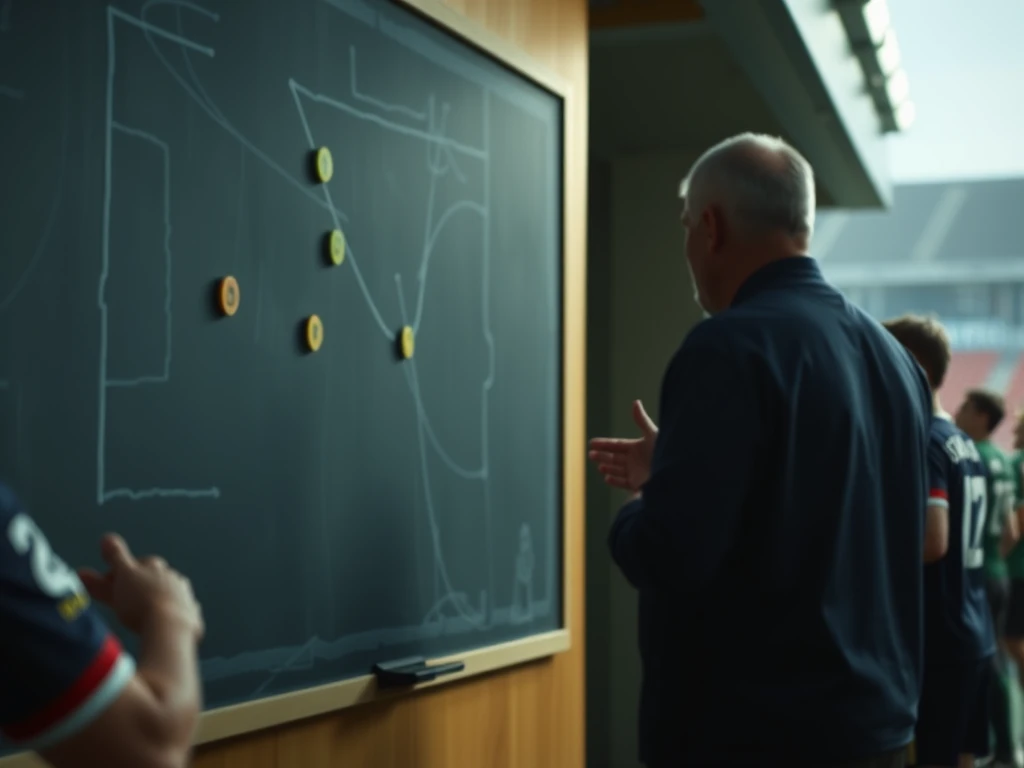

As the League of Ireland Premier progresses, Sligo Rovers are beginning to carve out an identity. Fans have noticed some trending tactical adjustments that are shaping how the team performs on the pitch. Until now, the Rovers have primarily used a 4-2-3-1 formation, favoring a strong midfield setup that allows for both defensive stability and attacking options. Midfield dynamics Players like A. Gabbidon and C. Cannon have been key in this fluid formation. They switch roles according to game situations, with Gabbidon often dropping deep to collect the ball from defense. This fluidity makes Sligo unpredictable, leaving opposing midfielders guessing whether to press or to hold their positions. Recent matches have shown that the Rovers excel at exploiting spaces left by their rivals.
Another significant tactic involves their wingers. W. Fitzgerald is often tasked with cutting inside to create shooting opportunities while stretching the pitch, effectively using the width. As matches progress, his ability to draw defenders opens gaps for strikers like C. Kavanagh. This strategic movement has led to increased goal-scoring chances this season.
Against teams that sit deep, Sligo's ability to maintain possession has become key. Their passing game, focusing on quick transitions and using the flanks, has indicated a clear intent to dominate games. As they approach the latter part of the season, it's essential to monitor how these tactical choices influence outcomes in tight matches.
Sligo Rovers' strategic evolution this season indicates a desire for both control and creativity. As the competition heats up, it will be fascinating to see how these tactical elements continue to unfold and play a role in their quest for league success.