
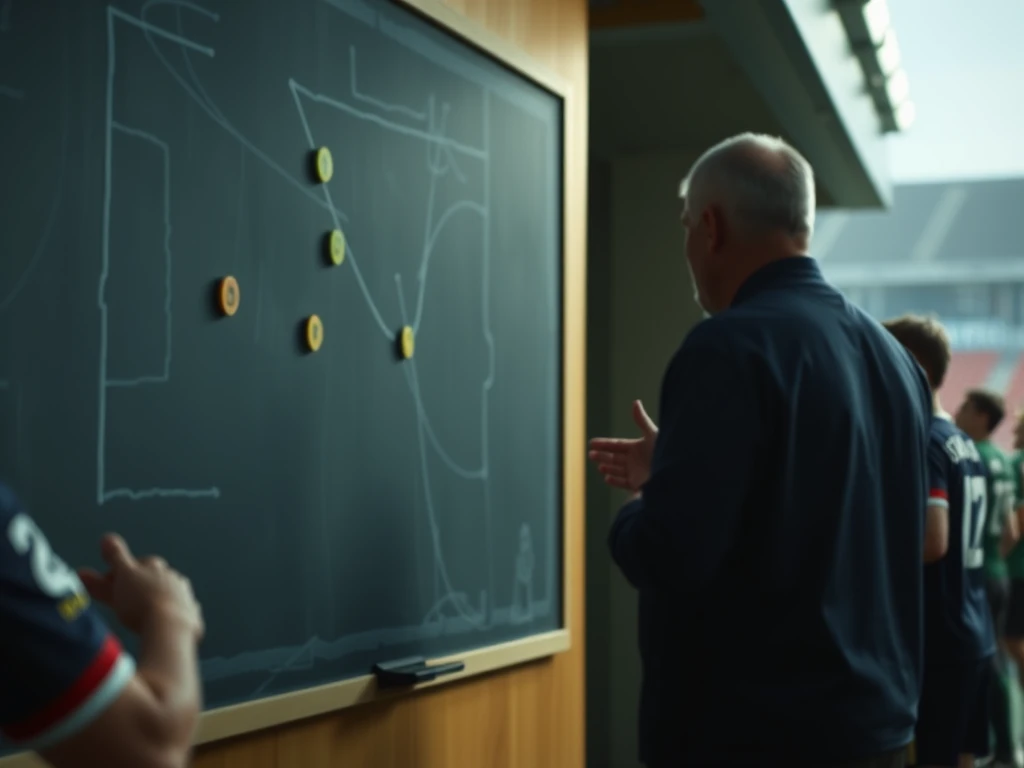
Refining Sligo Rovers' Tactical Approach for Greater Cohesion
As the season progresses, Sligo Rovers, fondly known as The Bit O'Red, have demonstrated commendable resilience and skill on the pitch. However, despite some positive results, tactical inconsistencies have emerged, particularly in maintaining fluidity in both attack and defense. An in-depth analysis of recent performances indicates that a few strategic tweaks could significantly enhance the team's cohesion and overall effectiveness.
The Current Tactical Landscape
In recent matches, Sligo Rovers have employed a fluid 4-3-3 formation, allowing for dynamic movement and flexibility in midfield. This setup has facilitated quick transitions and attacking flair, but it has also exposed gaps, especially when transitioning from offense to defense. Opponents have capitalized on these vulnerabilities, exploiting spaces left by midfielders who venture too far forward without adequate cover.
Defensive Cohesion
One immediate area for improvement lies in the defensive organization during counter-attacks. While the back four has shown a strong individual presence, the team’s collective defensive structure often falters under pressure. Introducing a more disciplined holding midfielder-perhaps a player who can drop deeper when the team is in possession-could help shield the backline more effectively. This slight adjustment would allow the full-backs to join the attack without compromising defensive integrity.
Midfield Dynamics
The midfield trio, while talented, occasionally lacks synergy, leading to disjointed phases of play. An adjustment that could yield positive results is shifting to a double pivot system, especially against stronger opponents. This would involve having two deeper-lying midfielders who can control the tempo and provide outlets for the defense, while a more advanced playmaker could exploit spaces between the lines. This tactical tweak not only strengthens ball retention but also enhances the team’s ability to transition quickly into attacking phases.
Wide Play and Wing Depth
Sligo’s wingers have been key in their attacking strategy, often stretching the opposition and creating width. However, there’s an opportunity to diversify the approach on the flanks. By encouraging wingers to cut inside more frequently, paired with overlapping runs from full-backs, the Bit O'Red could create more unpredictable attacking scenarios. This dual threat-crossing from wide and penetrating centrally-would stretch defenses and open up more goal-scoring opportunities.
Set-Piece Strategy
Finally, enhancing set-piece routines could provide Sligo Rovers with a key edge in tight matches. While the team has shown promise during dead ball situations, a more organized and rehearsed approach could capitalize on their height and physicality. Investing time in training sessions focused on set-piece execution could lead to valuable goals that often prove decisive in the league.
Conclusion: A Roadmap to Greater Success
By implementing these tactical tweaks-strengthening defensive cohesion, enhancing midfield dynamics, diversifying wide play, and refining set-piece strategies-Sligo Rovers can raise their game. The potential for improvement is tangible, and with a few adjustments, The Bit O'Red can enhance their prospects in the League of Ireland Premier. As they continue to build momentum, the focus must not only be on results but also on cohesive, attractive football that excites the fans and drives the team forward.