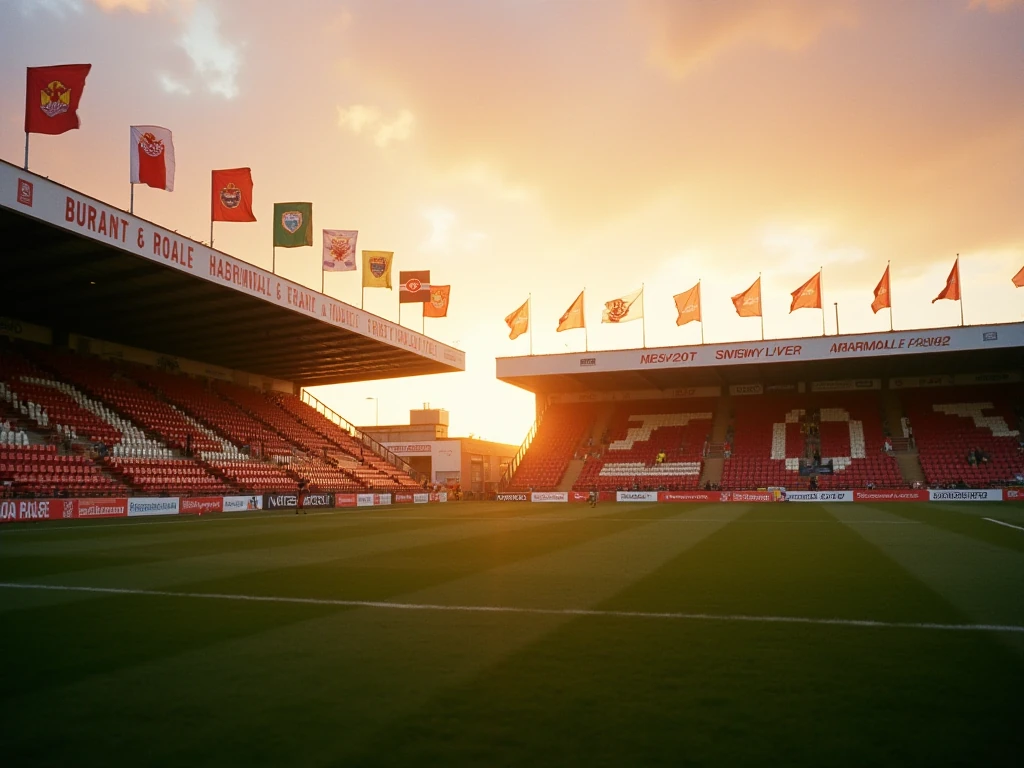
The Showgrounds faithful are no strangers to the ebb and flow of fortune on the pitch, but recent pronouncements from Sligo Rovers Chairman Tommy Higgins have cast a serious light on the club's very foundations. In a candid address, Higgins delivered a stark warning: the Bit O' Red's current operational model can "no longer run like this," signalling an urgent need for a comprehensive re-evaluation of how the club is structured and funded. This isn't just about squad strengthening or tactical adjustments; it's a profound call to arms concerning the long-term sustainability and viability of our beloved club.
Higgins's message underscores the increasing financial pressures facing clubs throughout the League of Ireland. Rising operational costs, from player wages and infrastructure maintenance at The Showgrounds to travel expenses and administrative overheads, are creating significant headwinds. He alluded to a model that, while having served the club admirably in the past, may now be stretched to its limits by the evolving landscape of professional football in Ireland. This isn't unique to Sligo Rovers, but our Chairman's directness ensures we cannot shy away from the reality of the situation. It points to a reliance on specific income streams, perhaps gate receipts, sponsorship, or a few key benefactors, which may not be robust enough to withstand future shocks or to fund the ambitions of a club striving for European qualification.
So, what does a re-evaluation of the club's model entail? It likely encompasses a multi-faceted approach. We could see a greater emphasis on developing and monetising talent from our own youth academy, mirroring successful strategies employed by other clubs to create self-sustaining pathways. Diversifying revenue streams will be paramount, exploring new commercial opportunities, enhancing community engagement initiatives to boost local support and participation, and perhaps even innovative fan ownership schemes or bond issues. The goal must be to build a more resilient financial bedrock, less susceptible to the cyclical nature of sporting success or broader economic downturns. This might mean difficult conversations about how resources are allocated, where investments are prioritised, and how the club interacts with its supporters and the wider Sligo community to create a robust, collective future.
Chairman Higgins's candid assessment, while undoubtedly sobering, serves as a crucial wake-up call rather than a harbinger of doom. It's an opportunity for introspection, adaptation, and collective action. Sligo Rovers has a proud history, built on the unwavering passion of its fans and the dedication of countless volunteers and administrators. Navigating these challenges will require unity, clear strategic planning, and the collective will of everyone associated with the Bit O' Red - from the boardroom to the terraces. The road ahead may demand difficult decisions, but with a shared vision for a sustainable future, our beloved club can not only weather these headwinds but emerge stronger, more agile, and even more deeply rooted in the heart of Sligo. It's a pivotal moment, and our response will define the next chapter of Sligo Rovers' storied existence.